Perfect Dining Table

Chandan Singh
| 16-01-2026
 · Lifestyle Team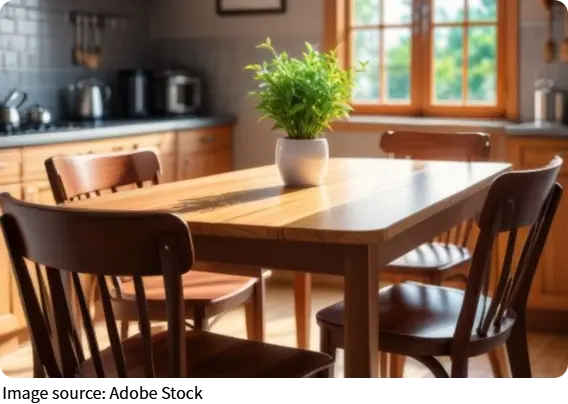
You're sitting down for a family dinner, surrounded by your loved ones, enjoying a meal together.
The dining table is more than just a place to eat; it's the heart of your home where memories are made. But choosing the perfect dining table isn't always straightforward.
With so many styles, materials, and sizes to consider, how do you know which one fits your space and lifestyle? Let's walk through the key considerations to help you pick the perfect dining table for your home.
1. Size: Finding the Right Fit
The size of your dining table is one of the most important factors to consider. You don't want it to overwhelm the room or feel too cramped. Ideally, there should be at least 3 feet of space around the table for people to move comfortably.
Tip: Measure your dining area before making any decisions. For example, a table that seats 6 people usually measures around 60-72 inches in length. If you're hosting larger gatherings, opt for a table that can extend, providing flexibility for both everyday use and special occasions.
2. Shape: Round, Square, or Rectangular?
The shape of your dining table can affect the overall flow of your space. Rectangular tables are the most common and versatile, fitting well in most rooms. However, round tables are great for smaller spaces or when you want a more intimate setting. Square tables, on the other hand, work well in square-shaped rooms and offer a modern aesthetic.
Tip: If you have a smaller dining area, a round table can make the space feel more open and inviting. A rectangular table is ideal for larger rooms and can accommodate more people comfortably.
3. Material: Durability Meets Style
Dining tables come in a variety of materials, each offering a different aesthetic and level of durability. Wood is a popular choice for its warmth and timeless appeal, while metal tables offer a sleek, industrial look. Glass tables are modern and elegant, but they may require more maintenance to keep clean.
Tip: For a traditional feel, consider a solid wood table like oak or walnut. If you're after something more contemporary, a metal frame with a wood or glass top can add an edgy touch. Remember to also consider the material's durability based on your lifestyle (e.g., kids or pets).
4. Style: Modern, Rustic, or Classic?
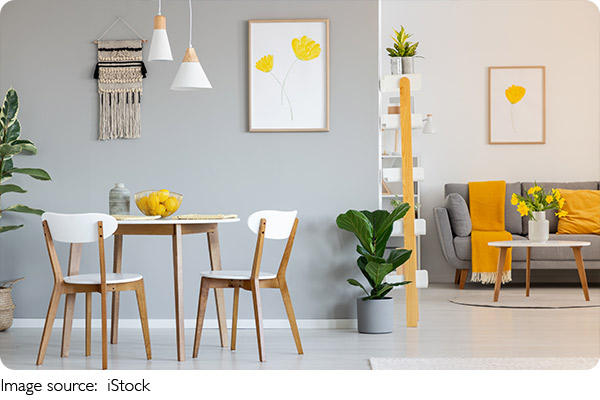
The style of the dining table should complement the rest of your decor. Do you prefer a sleek, modern design, or are you drawn to rustic farmhouse charm? Classic wooden tables offer a timeless look, while contemporary tables may feature clean lines, minimal details, and innovative materials.
Tip: Choose a style that matches the overall vibe of your home. For instance, a rustic farmhouse table works great in a cozy, country-style kitchen, while a minimalist modern table would suit a more industrial or urban setting.
5. Storage: Functionality Beyond the Table
If you're working with limited space, a dining table with built-in storage can help you maximize functionality. Some tables come with drawers or shelves for storing napkins, placemats, or even extra dinnerware, helping keep your dining area tidy.
Tip: Look for tables that offer hidden storage, like a dining table with a built-in extension leaf or a table with storage benches or drawers underneath. This way, you can keep essentials handy without cluttering your space.
6. Seating: Comfort and Style Combined
The right seating can make all the difference in your dining experience. Whether you opt for traditional dining chairs, cushioned benches, or even modern stools, make sure the seating is comfortable and complements your table. It's also important to consider the number of people you regularly entertain.
Tip: When selecting seating, ensure that the chairs or benches are the right height for the table. Standard dining chairs are typically 18 inches high, and the seat height should allow for easy access to the table without straining your legs.
7. Maintenance: Easy Care or Low-Maintenance?
Depending on your lifestyle, you'll want to think about how much maintenance you're willing to do. Wooden tables, while beautiful, may need occasional refinishing or protection from spills. Glass tables might require frequent cleaning, especially if you have kids or pets. Metal tables are often low-maintenance, but some materials can scratch easily.
Tip: If you're looking for something easy to maintain, consider a table with a lacquered finish or a metal table with a powder-coated surface that resists scratches and spills. For wood, look for tables treated with a durable finish that can handle wear and tear.
8. Budget: Finding the Best Value
Dining tables come in a wide price range, so it's essential to determine your budget before making a decision. While it's tempting to go for the cheapest option, keep in mind that a dining table is an investment piece that should last for years. A higher-quality table may cost more initially, but it can save you money in the long run by being more durable.
Tip: Set a realistic budget that aligns with your needs. If you have kids, you may want to invest in a more durable, stain-resistant material. For smaller households, a more affordable, stylish table might work just fine.
Final Thoughts
Choosing the right dining table is more than just a decision about aesthetics; it's about functionality, durability, and creating a space where you can make lasting memories with loved ones. By considering size, shape, material, and style, you can find a table that fits seamlessly into your home. Don't forget to balance practicality with design, and choose a piece that enhances your space and your daily life. Happy dining!