Pose Better in Photos

Nolan O'Connor
| 09-02-2026
 · Lifestyle Team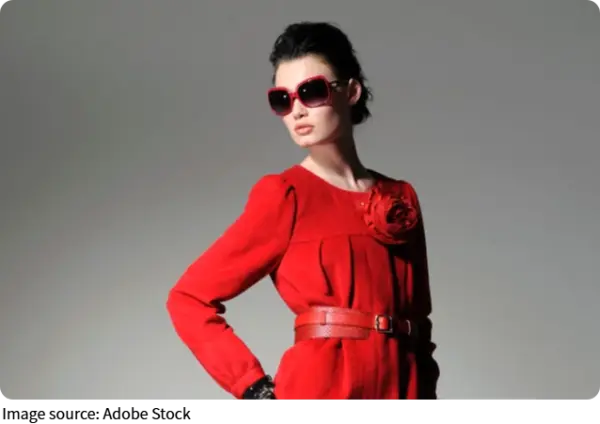
You know that moment when someone lifts a camera and suddenly your hands feel awkward, your shoulders stiff, and your smile slightly too forced.
A second later, the photo appears on the screen, and it doesn't quite match how you felt in real life. The good news is that natural-looking photos rarely happen by accident.
A few small posing habits can quietly change everything.
Start With Relaxed Body Angles
Turn slightly Shift your weight Loosen shoulders
Facing the camera straight on often makes the body look stiff and flat. A gentle angle creates depth and movement, which feels more natural to the eye.
1. Turn your body about 30 degrees away from the lens while keeping your face toward the camera. This simple twist adds shape without looking dramatic.
2. Place more weight on one leg instead of standing evenly. The hip on the weighted side will drop slightly, creating an easy, relaxed line.
3. Roll your shoulders back once, then let them fall naturally. This prevents the tight, raised-shoulder look that appears when people feel nervous.
Try this quick practice: stand in front of a mirror, shift your weight from one leg to the other, and notice which side feels calmer. That side will usually photograph better.
Use Your Hands With Purpose
Gentle movement Light contact No tight fists
Hands often create the biggest discomfort in photos because people don't know where to place them. Purposeful but soft movement solves this instantly.
1. Lightly touch clothing seams, a bag strap, or a nearby surface. This gives your hands a reason to exist in the frame.
2. Keep fingers slightly curved instead of straight. Natural curves look relaxed, while rigid fingers suggest tension.
3. Let one hand move while the other rests. Small asymmetry feels more lifelike than perfect symmetry.
An easy exercise is to slowly open and close your fingers before the photo. Stop halfway between open and closed. That in-between position usually looks the most natural.
Find Your Best Head Position
Chin forward Slight tilt Soft eyes
Tiny adjustments in the head and face can completely change a portrait. The camera exaggerates small angles, so subtle control matters.
1. Move your chin slightly forward, then lower it just a little. This defines the jawline and avoids the compressed look that appears when the chin pulls back.
2. Tilt your head a few degrees instead of holding it perfectly straight. Even a small tilt adds warmth and approachability.
3. Relax your eyes by taking a slow breath before the shutter clicks. Tension around the eyes is often more noticeable than the smile itself.
You can test this by taking three quick selfies with different chin positions. Compare them side by side, and the improvement becomes obvious.
Create Natural Movement Instead of Standing Still
Slow steps Micro-motions Real moments
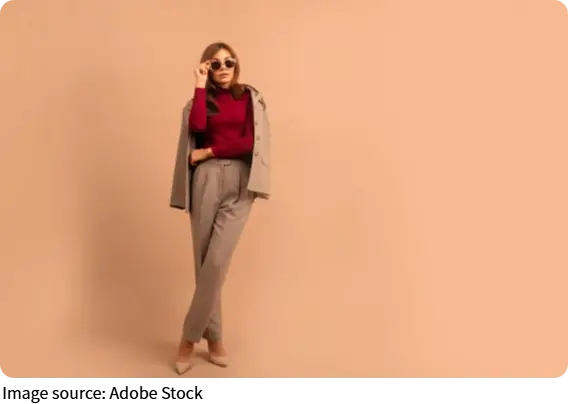
Photos feel alive when the body is mid-movement rather than frozen. Gentle motion adds authenticity without looking staged.
1. Walk slowly toward or past the camera while someone takes multiple shots. One frame will capture a perfectly natural stride.
2. Shift your gaze slightly between shots instead of staring in one direction. Looking just past the lens often feels calm and thoughtful.
3. Interact with the environment—adjust a sleeve, brush your hair back, or look down briefly. These tiny actions create storytelling within a single image.
A helpful trick is to keep moving until the exact moment the photo is taken. Stillness tends to create stiffness, while motion keeps energy flowing.
Build Confidence Through Simple Practice
Repeat poses Study favorites Stay comfortable
Great posing isn't about memorizing dozens of positions. It's about discovering a few reliable movements that feel like you.
1. Save photos of yourself that you genuinely like. Look for patterns in posture, angles, or expressions that repeat.
2. Practice those same poses briefly before real photos—just one minute is enough to remind your body what feels natural.
3. Choose clothing that allows easy movement. Comfort shows immediately in posture and expression.
Think of posing like learning a short dance routine. Once the steps feel familiar, you stop thinking and simply enjoy the moment.
A good photograph doesn't require perfect features or dramatic scenery. It grows from small adjustments—an angled shoulder, relaxed hands, and a gentle shift of weight. When your body feels comfortable, the camera quietly records that ease. And sometimes, the best photo isn't the one where everything looks flawless, but the one where you recognize yourself without hesitation.