Paint Like Pro

Santosh Jha
| 07-04-2026
 · Art Team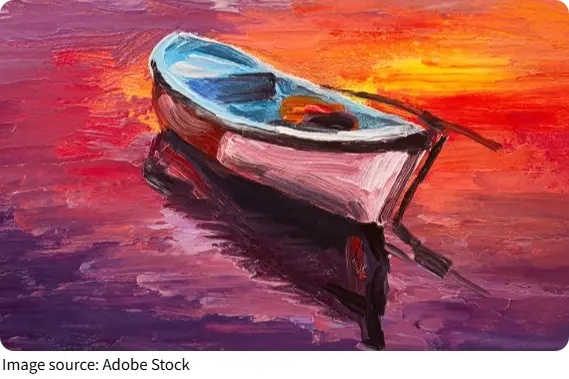
Stepping into the world of oil painting is like opening a door to a colorful adventure full of creativity. For beginners, learning some key techniques can really lay a solid foundation for our artistic journey.
Oil painting offers endless possibilities to express our imagination and emotions. Today, let's explore five essential oil painting techniques, complete with practical tips to help us get started right away and create work that feels alive and unique.
1. Glazing Technique
Glazing is delicate and light, like draping a thin, almost invisible veil over the canvas. By using a small amount of paint mixed with a medium, we can gently layer colors to create soft, transparent effects. This technique works well for subtle textures, gentle light changes, and smooth color transitions. For instance, the first morning sunlight sparkling on a calm lake can be beautifully represented with glazing. Light passes through the thin paint layers, almost letting the viewer feel the warmth and tranquility.
Practical tips:
- Thin the paint with a glazing medium or turpentine to achieve smooth, flowing layers.
- Use soft brushes, like sable or synthetic soft brushes, and sweep gently over the canvas.
- Apply multiple thin layers to build depth without overloading the paint.
- Allow each layer to dry before adding the next to maintain clarity and avoid muddy colors.
- Practice on small areas first to feel how the light and color blend.
2. Impasto Technique
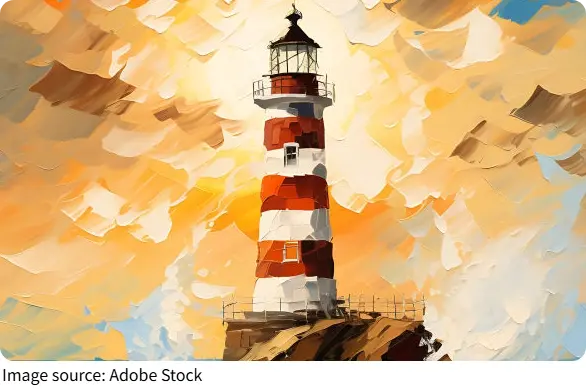
Impasto is bold and strong, using thick paint to create rich textures and a strong sense of depth. It gives the artwork a tactile, almost sculptural quality. This technique is ideal for showing heavy surfaces, like mountain ridges, castle walls, or textured landscapes. The thick paint catches light differently, giving the artwork a lively, three-dimensional look.
Practical tips:
- Use stiff brushes or a scraper to layer paint thickly.
- Blend colors directly on the canvas for natural transitions and interesting effects.
- Be patient—allow each thick layer to dry partially before adding the next to prevent mixing unintentionally.
- Adjust paint thickness and texture gradually to create realistic volume and depth.
- Experiment with directional strokes to emphasize the subject’s form.
3. Stamping Technique
Stamping is creative and playful. By pressing textured objects—like leaves, mesh, or sponges—onto wet paint, we can leave unique patterns and textures. This technique adds depth, complexity, and natural elements to the painting. It’s perfect for backgrounds, clouds, or even foliage details.
Practical tips:
- Choose tools based on the effect: leaves for vein patterns, sponge for soft, irregular textures.
- The paint should be damp but not too wet to keep patterns clear.
- Test your tools on scrap canvas to understand the resulting texture before using it on the main painting.
- Combine different tools in one painting to create varied and layered effects.
- Light pressure creates subtle textures; firmer pressure gives stronger patterns.
4. Scraping Technique
Scraping is expressive and dynamic. By using a scraping tool or similar object to remove some paint, we can reveal underlying layers or canvas texture. This technique works well for creating movement, such as waves crashing against rocks, rugged landscapes, or textured details in architecture.
Practical tips:
- Light scraping creates delicate lines and textures; stronger scraping produces bold contrasts.
- Experiment with different angles and edges of the tool for varied effects.
- Combine scraping with impasto for even richer texture.
- Keep a clean cloth nearby to wipe off excess paint and refine the effect.
- Practice removing paint gradually, layer by layer, to maintain control and depth.
5. Pointillism Technique
Pointillism is lively and playful, placing tiny dots of paint to blend colors visually rather than physically. This technique creates vibrant, energetic scenes and works beautifully for colorful subjects like flower fields, markets, or lively cityscapes.
Practical tips:
- Use fine brushes, toothpicks, or the back of a brush for precision.
- Keep dot size and spacing consistent for a harmonious look.
- Place complementary colors close to each other to enhance vibrancy.
- Step back frequently to see how the colors blend from a distance.
- Practice on small sections first to understand how the dots create overall color effects.
Let’s Create Together!
Mastering these five oil painting techniques is an essential step for beginners. By practicing, experimenting, and combining them with our own creativity, we can bring our ideas to life on canvas. Each technique has its own personality, and learning to mix them opens endless possibilities. Let’s pick up our brushes, explore colors, and enjoy the process of painting the world as we imagine it. With patience and curiosity, we can create beautiful, layered artworks that truly reflect our style. We can’t wait to see the stunning pieces we’ll make together!
Top 5 Oil PAINTING Techniques Every Beginner Should Know
Video by Malcolm Dewey