Creative Kids' Rooms

Naveen Kumar
| 20-05-2026
 · Lifestyle Team
Hey Lykkers! Are you excited about designing a special room for your little ones? Creating the perfect environment for children isn't just about fun and colors. It's about functionality, creativity, and making sure the space grows with them.
Let's dive into some amazing ideas that'll help us create a room that's practical, playful, and adaptable.
Let's Get Inspired: The Ceiling is Key!
When designing a children's room, it's essential to consider its different functions – learning, playing, resting, and storing. A child's room is their personal universe, so it should be bright, inviting, and soft. The overall lighting needs to be brighter than grown-up rooms, yet soft enough to create a warm, peaceful atmosphere.
But don't stop there! Think about adding some local lighting for tasks like reading, homework, and organizing. These lighting choices not only make the room more functional but can also add a playful touch with unique lamp designs. If the lighting setup isn't well-planned, it might lead to dark corners or too harsh a light. The goal is to balance ambiance with practicality.
As for the colors, they shouldn't stay static. In the early years, we can use bold contrasting colors and whimsical patterns to ignite their imagination. As they grow and their tastes mature, we'll transition to more neutral tones, perhaps cooler shades, that suit their evolving preferences. The beauty of a child's room is that it can change as they do!
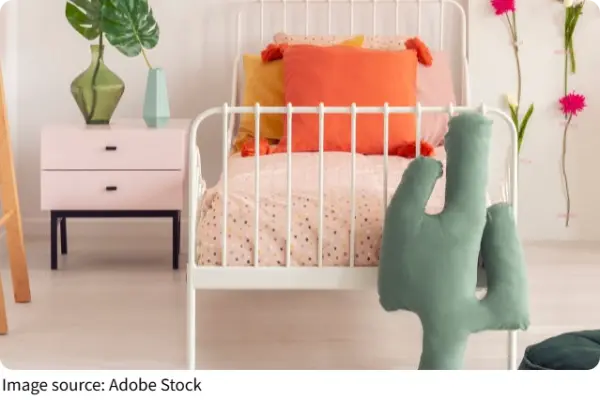
Space for Growth: Embrace Flexibility
Unlike other rooms, a children's room is a dynamic space that needs constant adjustments as they grow. Kids' personalities are still forming, and their interests are always shifting. What they love today might change tomorrow. This is why it's important to leave some areas open for future modifications.
Imagine leaving a corner empty for now. As they get older and start school, we can add a study desk or a reading nook. The goal here is to keep things flexible – "light renovation, heavy on decoration" is a great approach. We don't want to be stuck with a rigid layout. It's all about making small changes without too much hassle. Changing up the furniture, adding new curtains, or swapping out wall art can totally refresh the vibe.
Infuse Childish Elements into the Whole House
Who says that children's elements should only stay in the kid's room? A home feels more connected when these elements are scattered throughout. It not only enhances the overall décor but also helps kids feel like they are part of a unified home rather than isolated in a separate space.
For example, consider putting your child's piano or art board in the living room. This gives them the chance to show off their talents when guests come over, boosting their confidence. Similarly, display their artwork, awards, or photos in common areas. This creates a sense of pride and helps nurture their unique identity.
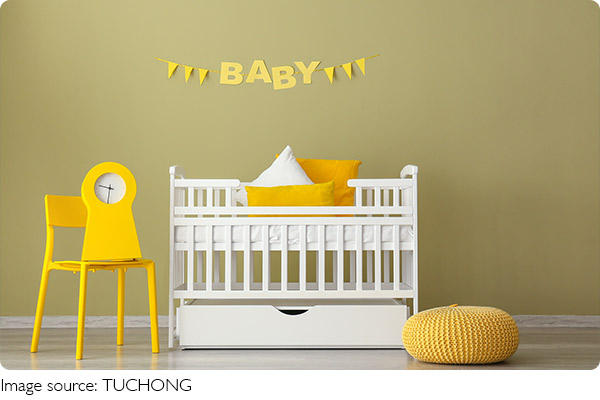
For smaller spaces, open-plan layouts or sliding doors in the kids' room are excellent solutions. It allows the space to remain private but also makes it feel larger and more open. This kind of thoughtful design can truly elevate the functionality of any home.
In conclusion, creating a children's room isn't just about filling it with toys and colorful furniture. It's about designing a space that evolves with them, providing an environment where they can thrive, play, and learn.