Fascinating Anime Facts

Maya
| 22-10-2026
 ·
Japanese anime has a rich history that dates back over a century.
Early animations in Japan were influenced by Western techniques but quickly developed a distinct style characterized by expressive characters and imaginative worlds.
Anime became a cultural phenomenon in the 1960s with iconic series that shaped storytelling, visual aesthetics, and fan culture globally.
Unique Artistic Styles
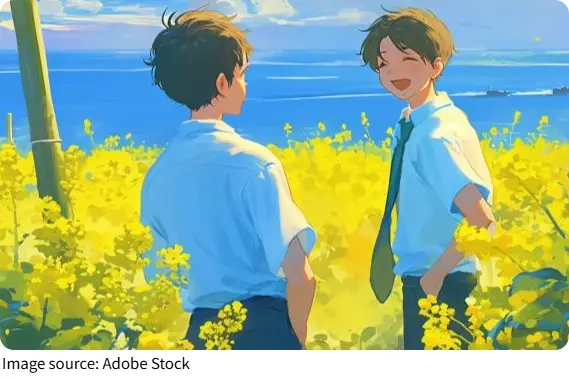
One of anime's defining features is its variety of artistic styles. From the detailed realism of films to the exaggerated expressions in television series, anime adapts visuals to suit the narrative. Background art often rivals the quality of live-action sets, with intricate cityscapes, lush forests, and fantastical environments that immerse viewers fully.

Production Secrets
1. Many anime episodes are produced under tight deadlines, often with teams working late into the night to meet weekly release schedules.
2. Voice actors, known as seiyuu, frequently record multiple takes to capture emotional nuances, making dialogue recording a highly skilled craft.
3. Background animators sometimes spend weeks perfecting a single scene, ensuring consistency and depth in the world-building.
Cultural References and Hidden Details
Anime frequently incorporates subtle cultural references and hidden details. Objects, street signs, and even food items often reflect Japanese culture, history, or contemporary society. Fans enjoy spotting these hidden eggs, which adds another layer of engagement to the viewing experience. Additionally, creators sometimes embed visual puns or symbols that only attentive viewers will notice, enhancing the richness of the storytelling.
Anime has inspired creators worldwide, influencing graphic novels, animation, and even fashion. Its themes—ranging from friendship and perseverance to futuristic exploration—resonate across cultures. Major international streaming platforms now license hundreds of anime titles, making it accessible to millions globally and shaping modern pop culture beyond Japan's borders.
Fun Facts You Might Not Know
1. The longest-running anime series exceeds 1,000 episodes, showcasing decades of storytelling evolution.
2. Some anime films hold records for high-quality frame rates, with thousands of individual drawings per minute of screen time.
3. Anime conventions attract tens of thousands of fans, with cosplay, art exhibits, and panel discussions celebrating the medium's creativity.
4. Certain anime episodes inspire tourism, with fans visiting real-world locations depicted in their favorite series, creating a unique form of cultural travel.
Reflection
Japanese anime is far more than just animated entertainment—it's a medium that combines artistic innovation, cultural storytelling, and global influence. Learning these facts highlights the dedication and creativity behind each series or film. For viewers, appreciating these details deepens the experience and fosters a greater understanding of the craft, inspiring curiosity about the rich worlds anime continues to create.